
The name on the bottle changed from Neurontin to gabapentin, or a new prescription says Gralise or Horizant, and the pills look nothing like the old ones. Some of these changes are routine generic swaps. Others involve products whose own labels say they cannot be traded for other gabapentin.
Generic gabapentin is the FDA-approved generic version of Neurontin: same active ingredient, strength, dosage form and route. Gralise also contains gabapentin, and Horizant contains gabapentin enacarbil, a prodrug that the body turns into gabapentin. Both of those labels state that the product is “not substitutable with other gabapentin products because of differing pharmacokinetic profiles.” In plain terms, the same milligram number does not produce the same result.
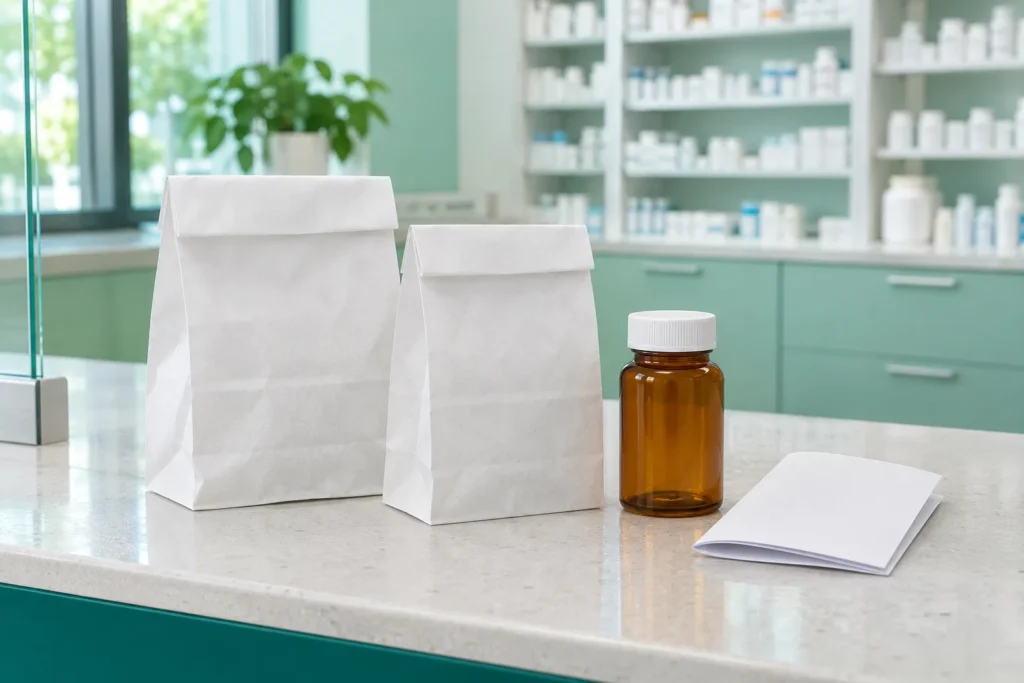
Picture the pickup window. Last month the bag said Neurontin; this month it says gabapentin, the capsules are a different color, and the price dropped. Or you have taken gabapentin for years and a specialist has written a prescription for something called Gralise, taken once a day with dinner. Both situations prompt the same question: is this the same medicine? The answer depends on which product you are holding.
Four names, two active ingredients
Neurontin is the original brand of gabapentin. Its prescribing information on DailyMed lists an initial U.S. approval in 1993 and comes as capsules, film-coated tablets and an oral solution. The label is indicated for postherpetic neuralgia (nerve pain after shingles) in adults and as add-on therapy for partial onset seizures in adults and children 3 years and older with epilepsy.
“Gabapentin” on a bottle usually means a generic copy of Neurontin. The FDA’s Generic Drugs: Questions & Answers page explains that a generic drug is made to be the same as an already marketed brand-name drug in dosage form, that generics contain the same active ingredients and must work the same way in the body, and that generics approved through the abbreviated pathway are generally considered therapeutically equivalent to the brand.
Gralise is a different gabapentin product. According to its label, it is indicated only for postherpetic neuralgia and is taken once daily with the evening meal. Horizant is different again: its label describes an extended-release tablet of gabapentin enacarbil, first approved in 2011, indicated for moderate-to-severe primary restless legs syndrome (RLS) in adults and for postherpetic neuralgia in adults.
Side by side
| Product | Active ingredient | Release and timing (per label) | FDA-approved uses | Interchangeable with other gabapentin? |
|---|---|---|---|---|
| Neurontin | Gabapentin | Immediate release; capsules, tablets, oral solution; taken with or without food | Postherpetic neuralgia (adults); add-on for partial onset seizures (age 3 and up) | Generic gabapentin is its approved generic equivalent |
| Generic gabapentin | Gabapentin | Matches the Neurontin dosage form it copies | Same as Neurontin | Yes, with Neurontin in the same dosage form |
| Gralise | Gabapentin | Once daily with the evening meal; tablets swallowed whole; peak level about 8 hours after a dose | Postherpetic neuralgia | No: label says “not substitutable with other gabapentin products” |
| Horizant | Gabapentin enacarbil (prodrug) | Extended release; taken with food; tablets swallowed whole | Moderate-to-severe primary RLS (adults); postherpetic neuralgia (adults) | No: label says “not substitutable with other gabapentin products” |
Notice what is missing. Neither Gralise nor Horizant is approved for epilepsy. Both labels say their safety and effectiveness in patients with epilepsy have not been studied. Someone taking Neurontin or generic gabapentin for seizures should not expect either product to stand in for it.
The Gralise label states it “is not substitutable with other gabapentin products because of differing pharmacokinetic profiles that affect the frequency of administration.” Its clinical pharmacology section reports a time to peak concentration of 8 hours, about 4 to 6 hours longer than immediate-release gabapentin, and says that taken on an empty stomach its bioavailability “will be substantially lower.”
The Horizant label goes further: “The same dose of HORIZANT results in different plasma concentrations of gabapentin relative to other gabapentin products.” Gabapentin enacarbil is a different molecule. After it is swallowed, it undergoes extensive first-pass hydrolysis, mainly in the cells lining the gut and to a lesser extent in the liver, to release gabapentin.
Even plain gabapentin behaves unevenly. The Neurontin label notes that its bioavailability “is not dose proportional”: as the dose goes up, the fraction absorbed goes down. That is one reason a milligram-for-milligram swap between products is not something a patient can work out at home.
What the pharmacy is allowed to swap
Generic substitution is built on equivalence to a specific brand product. The FDA lists approved products and their therapeutic equivalence ratings in the Orange Book, formally titled “Approved Drug Products with Therapeutic Equivalence Evaluations.” The FDA’s Q&A page suggests looking up a drug there to see whether a generic version is available. State pharmacy laws then govern when a pharmacist may substitute without calling the prescriber.
That is why a switch from Neurontin to generic gabapentin capsules can happen quietly at the counter, while a switch between immediate-release gabapentin and Gralise or Horizant needs a new prescription. These are different products with different dosing schedules, so the decision belongs to the prescriber.
Scenarios at the pharmacy counter
“My Neurontin is now called gabapentin and looks different”
This is the most common change and usually the least worrying. The FDA says it generally allows minor differences in appearance between generic and brand drugs, such as color, and that these differences do not affect how the medicine works. Check that the strength and the directions on the label match what you were taking. If the shape or color changes again next month, that may simply be a different generic manufacturer; the pharmacist can confirm.
“The capsules changed to tablets”
Neurontin and its generics come in more than one dosage form. A change from capsules to tablets of the same total strength is something to ask about rather than assume. The Neurontin label notes that the scored 600 mg and 800 mg tablets can be split, with specific instructions about using the other half as the next dose and discarding unused halves after 28 days. Ask the pharmacist to walk through how the new form should be taken.
“A new doctor prescribed Gralise, but I already take gabapentin”
Ask directly whether Gralise replaces your current gabapentin or adds to it. Taking both would mean doubling up on the same active ingredient. The Gralise label is built around once-daily dosing with the evening meal and a stepwise start. Any change between products should be planned by the prescriber, and the Neurontin and Gralise labels both say that reducing, stopping or substituting the medicine should be done gradually over at least a week. Our guide to stopping gabapentin suddenly explains why an abrupt gap matters.
“I was prescribed Horizant for restless legs. Is it just gabapentin?”
Not exactly. Horizant contains gabapentin enacarbil, which the body converts into gabapentin. The label sets a specific once-daily timing for RLS, in the late afternoon, and warns that Horizant is not recommended for people who must sleep during the day and stay awake at night. It also carries warnings about sleepiness and impaired driving. If you were previously given generic gabapentin for RLS, ask how the two plans differ.
“Insurance will not cover Gralise or Horizant. Can I just get gabapentin?”
That conversation has to go back to the prescriber. A pharmacist cannot substitute immediate-release gabapentin for either product, because the labels say they are not substitutable. The prescriber may choose to write a different prescription, request prior authorization, or explain why they chose the specific product. Do not try to work out an equivalent dose yourself.
“Do I really have to take Gralise with dinner?”
Food is part of how Gralise is designed to work, not a comfort suggestion. Its label says it should be taken with evening meals and that on an empty stomach its bioavailability will be substantially lower. In the label’s food data, peak gabapentin levels rose by 33% to 84% and total exposure by 33% to 118% when Gralise was taken with food, depending on the fat content of the meal. Horizant is also labeled to be taken with food. Neurontin and its generics, by contrast, may be taken with or without food. If your eating schedule makes the label timing hard, tell the prescriber.
“I take an antacid. Does that matter for every version?”
The Neurontin label reports that an antacid containing aluminum and magnesium hydroxides reduced gabapentin bioavailability by about 20%, and it recommends spacing them. The Gralise label carries a similar statement. Ask the pharmacist how to time any antacid you use with your specific product.
What stays the same across all four
Whatever the product, the core safety information comes from gabapentin itself. All of these labels carry warnings about sleepiness and dizziness and about suicidal thoughts, a class warning for antiepileptic drugs. The FDA’s 2019 safety communication on breathing problems named Neurontin, Gralise and Horizant together. Our article on whether gabapentin is a controlled substance covers that warning and state rules, and our guide to what gabapentin is used for separates approved from off-label uses.
Kidney function also matters for every version. Each label adjusts dosing by creatinine clearance, and the Gralise label says it should not be given to patients on hemodialysis. If your kidney function has changed since the original prescription, mention it whenever the product changes.
Questions to ask the pharmacist
- Is this a generic of the exact product I was taking, in the same dosage form and strength?
- Is this new prescription meant to replace my current gabapentin or to be taken with it?
- Does this product need to be taken with food, at a certain time of day, or swallowed whole?
- Was this product chosen for a use it is FDA-approved for, or is it off label for my condition?
- If my insurance will not cover it, what should I ask my prescriber to do instead?
- Do any of my other medicines, including antacids, sleep aids or pain medicines, change how I should take it?
- Has my kidney function been checked recently, and does it affect this product?
Sources
- DailyMed: Neurontin (gabapentin) label
- DailyMed: Gralise (gabapentin) label
- DailyMed: Horizant (gabapentin enacarbil) label
- FDA: Generic Drugs: Questions & Answers
- FDA: Orange Book (Approved Drug Products with Therapeutic Equivalence Evaluations)
Evidence checked November 2, 2026. Labels are updated from time to time; your pharmacist can confirm the current version for your product.