
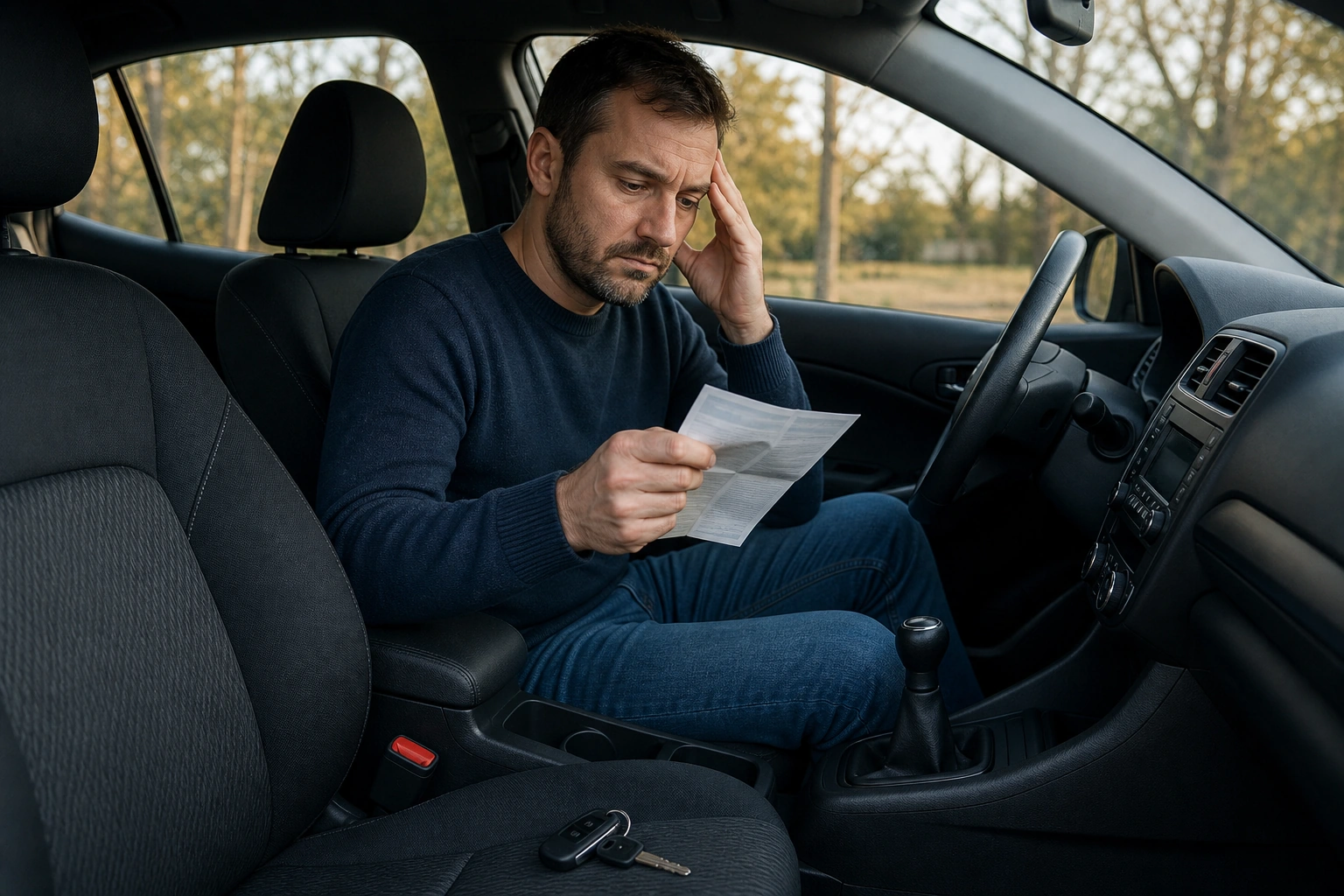
Medication-related drowsiness is an increased tendency to fall asleep; fatigue is a lack of physical or mental energy. They can occur together, but they point to different risks and causes. Before trying to “push through,” protect driving and work safety, check for interacting substances, and build a timeline that shows whether the pattern follows the dose.
A safe first response
Pause hazardous activity, read the warning label, avoid alcohol and unapproved sedatives, and contact a pharmacist if sleepiness is new, worsening, or interfering with normal life. Do not skip, double, split, or move the dose on your own. A timing change can help some people, but it can make other treatments ineffective or unsafe.
Sleepiness and fatigue are not interchangeable
Drowsiness feels like heavy eyelids, nodding off, or difficulty staying awake. It directly threatens driving, machinery use, cooking over flame, swimming alone, and work at height. Fatigue may feel like low stamina, slowed thinking, or exhaustion without being able to sleep. It can result from medicine, illness, pain, anemia, low blood pressure, low glucose, depression, poor sleep, or many other factors.
A third experience—sedation—can include slowed reaction time, poor balance, reduced attention, and impaired judgment. A person may be unsafe even if they do not describe themselves as sleepy. “I feel fine” is not a reliable test after starting a medicine known to impair performance.
The driving decision comes first
Warnings such as “may cause drowsiness” or “do not drive until you know how this medicine affects you” are operational safety instructions. The first few doses, a dose increase, restarting after a break, illness, or adding another sedating substance can change impairment. A medicine taken at night can still affect the next morning, especially when it has a long half-life.
Do not conduct a test drive on a quiet road. Arrange a ride, work from a safe location, or postpone the hazardous task until a pharmacist or prescriber confirms what is reasonable. Laws about driving while impaired apply even when the substance was prescribed.
Common medicine patterns that can lower alertness
Sedation can occur with selected antihistamines, sleep medicines, anxiety medicines, opioid pain medicines, antipsychotics, antidepressants, antiseizure medicines, muscle relaxants, nausea medicines, and other products. Some blood-pressure or heart medicines may cause fatigue, lightheadedness, or reduced exercise tolerance. Low blood glucose from diabetes treatment can produce weakness, sweating, confusion, and drowsiness and needs the person’s established urgent plan.
This is not a list of drugs to stop. Risk differs within a class and by dose, formulation, timing, organ function, and combination. Non-prescription cold or allergy products often contain sedating ingredients, and using two brand names can accidentally duplicate the same active ingredient.
Why the effect may appear after several days
Repeated doses can accumulate until a steady level is reached. Kidney or liver changes can slow elimination. An inhibitor in another medicine or food can raise exposure. Sleep debt may compound subtle sedation until a person finally notices it. Conversely, some early drowsiness decreases as the body adapts, but improvement should not be assumed when function is unsafe.
A new infection, dehydration, reduced eating, pregnancy, or a flare of the treated condition can also alter the picture. The fact that the prescription did not change does not prove it is unrelated.
A seven-day alertness log
A short record can show patterns without turning daily life into a laboratory experiment. Use the prescribed schedule unchanged unless advised otherwise.
| Record | Example of useful detail | Why it matters |
|---|---|---|
| Dose | Name, strength, formulation, and exact time | Shows delay between dose and symptoms |
| Alertness | Wide awake, heavy eyelids, unplanned nap, nodded off | Separates vague fatigue from sleep risk |
| Function | Needed help cooking, made errors, nearly fell | Severity is measured by impact, not adjectives |
| Sleep | Bedtime, wake time, awakenings, snoring report | Sleep loss or apnea may contribute |
| Other exposures | Alcohol, cannabis, antihistamine, pain medicine, caffeine | Reveals additive or masking effects |
| Body clues | Fever, dizziness on standing, low glucose per plan | May point to illness or physiologic change |
Call sooner rather than waiting seven days if there is a near-miss while driving, a fall, confusion, breathing change, or rapidly worsening function.
Check the combination, not only the newest prescription
Alcohol, cannabis, opioids, benzodiazepines, sleep aids, and sedating antihistamines can add to each other’s effects. Combining central nervous system depressants can slow breathing and make overdose harder to recognize. An over-the-counter nighttime cold medicine may be the overlooked contributor.
Create one list containing prescriptions, non-prescription products, supplements, and occasional substances. Compare active ingredients, not just brand names. Use Medicine Interactions With Drugs, Food and Alcohol and ask a pharmacist to review the whole list.
Why caffeine is not a complete fix
Coffee or energy drinks may reduce the sensation of sleepiness without restoring reaction time, balance, or judgment. Large amounts can worsen palpitations, anxiety, reflux, tremor, and nighttime sleep, creating more fatigue the next day. Caffeine may also interact with selected medicines.
Use it as a normal dietary choice only if permitted—not as permission to drive or to counteract an excessive dose. If staying awake requires repeated stimulants, the underlying regimen and health need review.
What a clinician may review
A prescriber may consider whether the symptom began after starting, restarting, or increasing a medicine; whether the dose time can safely move; whether an immediate-release or extended-release formulation is relevant; and whether the treatment is still needed. They may review kidney or liver function, blood pressure, glucose, blood count, thyroid function, sleep apnea risk, depression, infection, pain, or other causes based on the history.
The solution could be watchful waiting, changing timing, lowering a dose, treating another condition, or choosing a different medicine. Those options are individualized. Do not cut a tablet unless a pharmacist confirms that its formulation can be split.
When it may be more than a side effect
- Breathing slows or snoring becomes unusual: especially concerning after opioids, sedatives, or an overdose.
- Dizziness on standing or fainting: may reflect low blood pressure, dehydration, bleeding, or rhythm problems.
- Sweating, shaking, confusion, or weakness: check and treat low glucose according to an established plan and seek help if it does not resolve.
- Fever, rash, facial swelling, jaundice, or reduced urine: can signal a more serious reaction.
- Sudden neurologic change: facial droop, one-sided weakness, severe new headache, or speech difficulty is an emergency.
- Persistent daytime sleepiness despite adequate sleep: may warrant assessment for a sleep disorder or other illness.
Our guide to excessive daytime sleepiness explains sleep-related causes and evaluation. The broader medication side-effect action ladder covers other reaction patterns.
Special situations
Older adults
Sedation can increase falls, delirium, and loss of independence. Multiple medicines, reduced clearance, vision changes, and balance problems amplify risk. A full medication review may identify cumulative burden even when no single dose appears high.
Pregnancy and breastfeeding
Fatigue is common in pregnancy and after birth, but medicine exposure and infant sleepiness may need specific advice. Do not stop essential treatment without discussing maternal and infant risk. See Medicines During Pregnancy and Breastfeeding.
Shift work
Moving a “bedtime” dose is not as simple as changing the clock. The interval between doses, meals, light exposure, and safety-critical work all matter. Ask for a plan tied to the actual sleep period.
Questions for the pharmacist or prescriber
- Is this medicine expected to cause sleepiness, fatigue, low blood pressure, or low glucose?
- When is impairment usually strongest, and can it last into the next day?
- Which of my other products add sedation?
- Is a timing or formulation change safe?
- What symptoms mean I should stop, call, or seek emergency care?
- How long is a reasonable adjustment period for this situation?
- What other causes should be checked if the pattern continues?
Design a safer day while the cause is reviewed
Temporary risk reduction is practical, not an admission that the medicine is definitely responsible. Put the most hazardous tasks in the part of the day when you are reliably alert, but only if the treatment instructions allow it. Use handrails, sit while showering if dizzy, keep walking routes well lit, and avoid cooking over an open flame when nodding off. Ask another adult to handle school transport or supervision around water when alertness is poor.
At work, a short confidential conversation about temporary non-driving or non-machinery duties may prevent injury. The appropriate process depends on local employment and disability rules. A medical note can describe functional limits without disclosing the diagnosis unnecessarily.
Morning-after drowsiness deserves the same respect
A bedtime dose is not automatically finished by sunrise. Long half-life, extended release, late dosing, alcohol, sleep apnea, or too little sleep can produce a next-day effect. Set a non-driving backup plan before the first dose instead of discovering impairment during the commute. If morning sedation persists, provide the prescriber with dose time, sleep time, wake time, and the first hour you feel fully alert. That detail is more useful than saying the medicine “makes me tired all day.”
Sources and evidence scope
This guide was informed by Harvard Health’s discussion of what to do when medication makes you sleepy, FDA consumer guidance on medicines and driving, and MedlinePlus information on drug reactions. Sources were checked on August 26, 2026. This page cannot establish whether fatigue is drug-related or determine individual fitness to drive.